
Home Product Guide / Blog

Product Guide / BlogBLOG

How should you choose between acidic and neutral silicone gels?

How should you choose between acidic and neutral silicone gels?

Many people can't distinguish between acidic and neutral versions when choosing silicone adhesive. If you choose incorrectly, you may encounter issues such as substrate corrosion, strong odors, and adhesive failure. The core difference lies in the curing system, which is completely different in the environments they are suited to.Acidic: When silicone gel cures, it releases acetic acid substances and has a noticeable sour smell. Its advantages are fast curing speed, excellent bonding performance for ordinary glass, and relatively affordable price. The downside is corrosiveness; it cannot be used on mirrors, coated glass, copper, iron, or other metal substrates, as this can cause metal oxidation and blackening and damage to the mirror coating. Suitable for ordinary glass without metal and non-indoor enclosed environments.Neutral silicone adhesive cures with almost no pungent acid, is friendly to most substrates, and can be used for metal, plastic, and stone. For home interior environments, the neutral type is preferred. The curing speed is slightly slower than acidic glue, but it is more comprehensively suitable. Neutral silicone sealants are mostly used for sealing bathrooms, kitchens, and indoor doors and windows.Both are general-grade silicone adhesives, with similar basic weather resistance and waterproof performance; the core differences are corrosiveness and odor. For home interior decoration, prioritize neutral silicone adhesive to reduce odors and avoid substrate corrosion risks.Regardless of the type, the construction environment requires ventilation. Clean the substrate, remove oil stains and floating ash, apply sealant and repair the joints before waiting for full curing. Do not use large amounts of acidic glue in enclosed spaces, as the volatile gases can irritate the respiratory tract.

Read Full Article
Suitable and unsuitable scenarios for silicone adhesive

Suitable and unsuitable scenarios for silicone adhesive

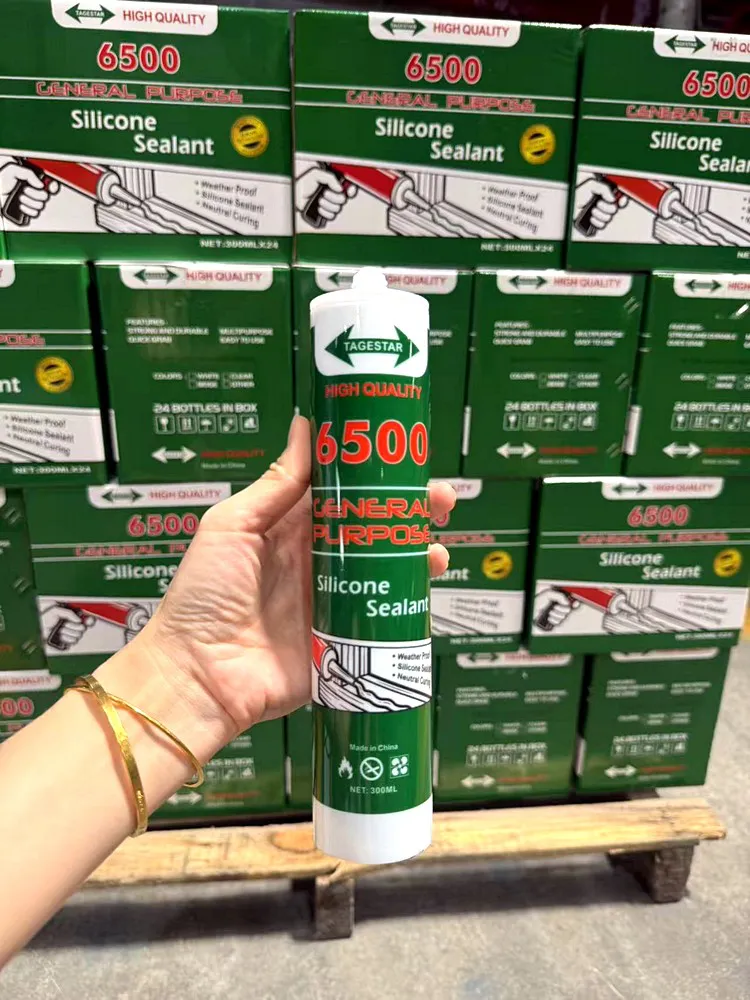
As a general-purpose sealant, silicone sealant is widely used in home renovations and ordinary manual assembly, but it has clear capability boundaries; it only works when chosen in the right scenario, and misuse can easily lead to delamination and failure.Suitable scenarios for silicone sealants are mostly joint sealing. Sealed gaps in aluminum alloy doors and windows inside the home to block wind, rain, and dust from seeping in; Filling gaps in the corners of bathroom sinks and bathtubs to reduce moisture seepage into walls; Ordinary flat glass assembly, sealing gaps in decorative lines; Sealed joints of various indoor panels provide dust protection and cushioning. Some simple outdoor non-stressed joints can also be used for basic sealing and protection.There are many situations where silicone glue is not suitable. First is structural bonding under force, where heavy loads are suspended or components are assembled under pressure, and insufficient adhesive strength can cause detachment; In long-term soaking environments, such as inside fish tanks or pools, ordinary silicone glue does not meet the standards for long-term soaking; On oily and moist substrates, the adhesive is difficult to adhere firmly; Metal mirror surfaces, coated sheets, and acidic adhesives can cause corrosion and blackening.Before construction, confirm substrate compatibility; if uncertain, small-scale testing is recommended. The gap width must also be controlled. If the gap is too wide, direct glue can cause shrinkage and cracking, so it needs to be used to fill the backing strip.In summary, the core positioning of silicone glue is **sealing and caulking**, not super-adhesive. If you only use gap protection, choose this one with great cost performance. If high-strength bonding is needed, you should switch to specialized structural adhesive.

Read Full Article
What is silicone glue? Basic Characteristics Popularized

What is silicone glue? Basic Characteristics Popularized

Silicone sealant, also known as general-purpose silicone sealant, is a widely used sealing and bonding material in daily life and decoration scenarios. It uses silicone as the main raw material, and after vulcanization, forms an elastic colloid. Unlike structural adhesives, it represents a general-purpose grade and focuses on basic sealing, joint filling, and waterproofing functions, but is not suitable for high-strength bonding scenarios.After curing, silicone sealant has good weather resistance and can adapt to daily temperature changes. It does not easily crack at low temperatures, and the adhesive does not age quickly even in ambient or high-temperature environments. After curing, the colloid is elastic; when the substrate experiences slight thermal expansion or contraction, the adhesive layer can deform accordingly, preventing cracking and separation.This sealant mainly serves to seal joints, not to apply strong bonding. It is commonly used for sealing door and window gaps, filling bathroom corners, ordinary glass assembly, and interior decorative gap treatment. It can block moisture and dust from entering the gaps, reducing the chances of mold and water leakage.When purchasing, distinguish between acidic and neutral versions. Acidic: The curing process of silicone adhesive releases acidic gases, posing a risk of corrosion to metals and coated materials; The neutral version has a mild scent and is more compatible with a wider range of substrates; for home decoration and interiors, choose the neutral version.Note: Silicone adhesive should not be used for long-term underwater immersion and is not suitable for bonding structures that withstand heavy pulling. The construction base must be kept dry and clean; dust and oil stains directly reduce the adhesive's adhesion. After construction, wait until it has fully cured before coming into contact with moisture to achieve a complete sealing effect.

Read Full Article